
 EN
EN
 EN
EN AR
AR BG
BG HR
HR CS
CS DA
DA NL
NL FI
FI FR
FR DE
DE IT
IT NO
NO PL
PL PT
PT RO
RO RU
RU ES
ES SV
SV IW
IW SR
SR SK
SK SL
SL TR
TR FA
FA
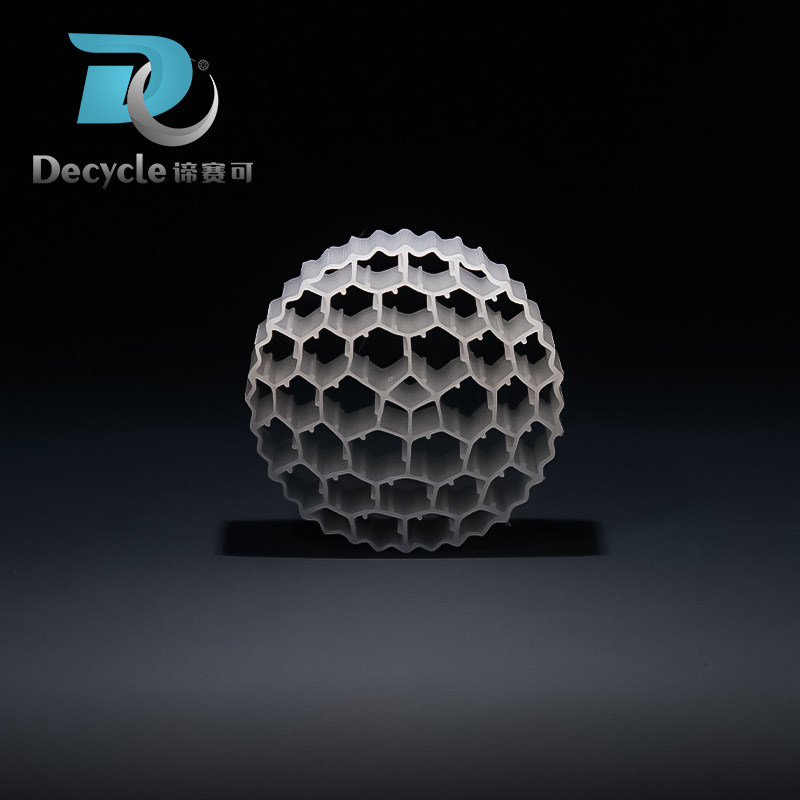
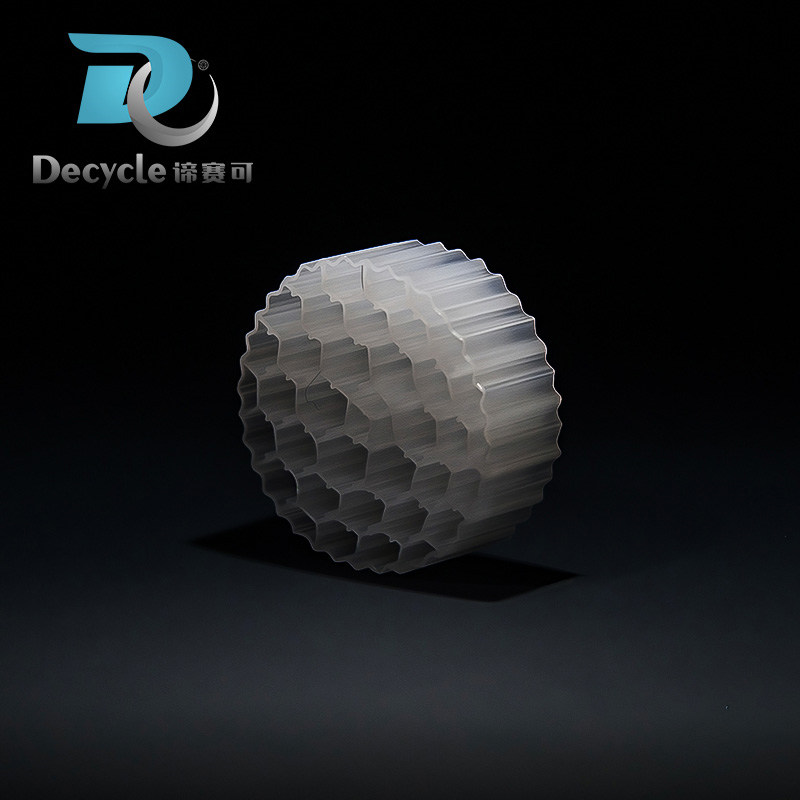
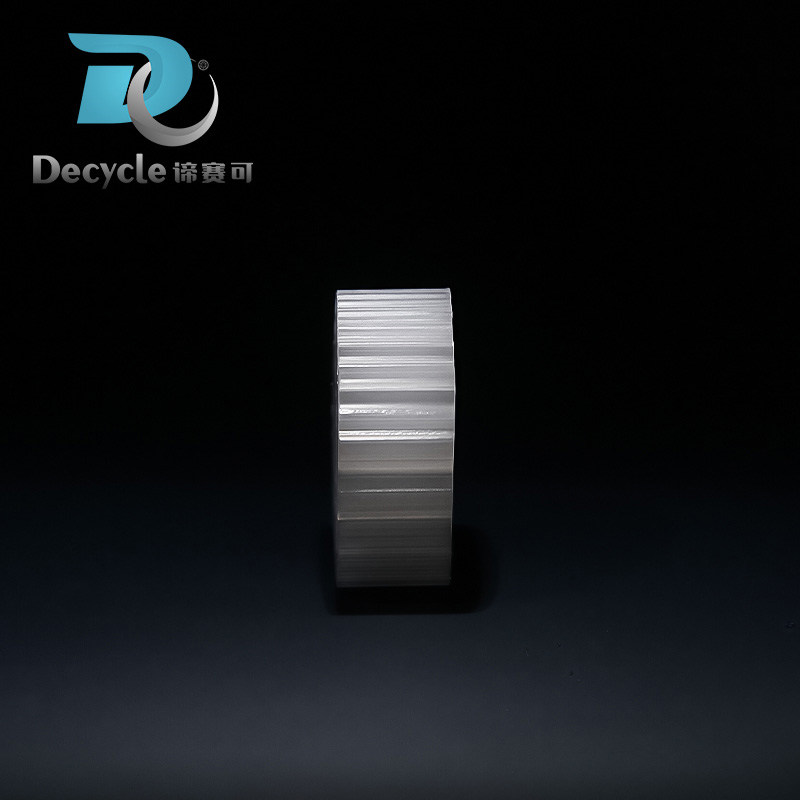
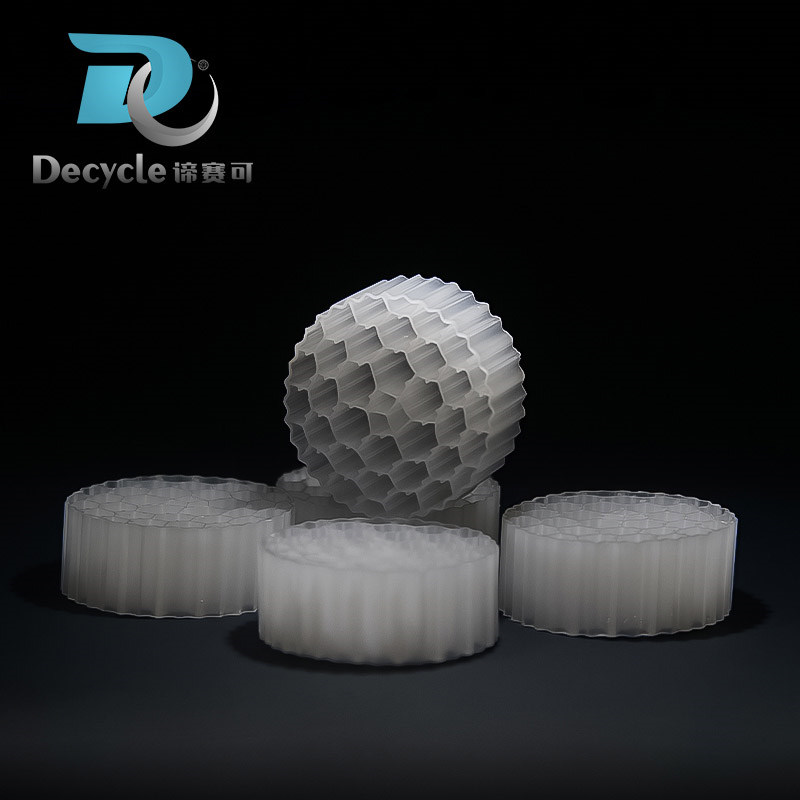
DC 39 Барои тозакунии дуюмдараҷаи партовҳои саноати селлюлоза ва коғаз
The 39-Hole Vertical Stripe Protrusion MBBR Media is a high-performance biofilm carrier engineered for maximum biomass retention and hydraulic efficiency in intensive wastewater treatment processes. Its advanced geometry features 39 precision-engineered through-holes combined with axial vertical stripe protrusions, creating a turbulent flow regime that enhances oxygen transfer, nutrient diffusion, and biofilm protection. Manufactured from reinforced HDPE, the media achieves an ultra-high protected specific surface area (>800m2/m3) while maintaining >95% void ratio to prevent clogging. The striated surface design shields microbial colonies from shear forces, making it ideal for high-load industrial/municipal MBBR, IFAS, and hybrid MBR systems requiring compact bioreactor design.
Тавсифи
Why is it that, even after several weeks, the surface of some MBBR media remains completely bare, with no biofilm forming at all?
This is because the media has poor hydrophilicity, an excessively smooth surface, or insufficient electrostatic affinity (bacterial surfaces are typically negatively charged), making it difficult for microorganisms to attach.
Solution: Select modified media to which hydrophilic macromolecules (such as polyvinyl alcohol or polyacrylamide) and trace elements (such as iron or manganese ligands) have been added during the manufacturing process. Once introduced, this type of media typically allows rapid inoculation and biofilm formation within 7 to 15 days.
DC 39 Барои тозакунии дуюмдараҷаи партовҳои саноати селлюлоза ва коғаз
39-Shole Vertical Stripe Protrusion MBBR Media як интиқолдиҳандаи пуриқтидори биофилм мебошад, ки барои нигоҳ доштани ҳадди аксар биомасса ва самаранокии гидравликӣ дар равандҳои пуршиддати коркарди обҳои партов сохта шудааст. Геометрияи пешрафтаи он дорои 39 сӯрохиҳои дақиқи муҳандисии дар якҷоягӣ бо баромадҳои рахи амудии меҳвар буда, режими ҷараёнро ба вуҷуд меорад, ки интиқоли оксиген, диффузияи маводи ғизоӣ ва ҳифзи биофилмро беҳтар мекунад. Васоити ахбори омма аз HDPE мустаҳкам карда шуда, ба сатҳи баланди муҳофизатшаванда (> 800м2 / м3) ноил мешавад ва дар ҳоле ки таносуби холӣ> 95% -ро нигоҳ медорад, то басташавӣ пешгирӣ кунад. Тарҳрезии сатҳи рахдор колонияҳои микробҳоро аз қувваҳои буриш муҳофизат мекунад ва онро барои системаҳои сербори саноатӣ/мунисипалӣ, IFAS ва системаҳои гибридии MBR, ки тарҳи биореактори паймонро талаб мекунанд, беҳтарин месозад.
Can the ‘extra-large specific surface area’ claimed by manufacturers really be utilised by microorganisms during actual operation?
Many packing materials have an ill-designed internal structure; pores that are too small prevent water from entering, or aged biofilms fail to slough off, causing internal pores to become blocked (dead zones), meaning the actual effective specific surface area is far lower than the claimed value.
Prioritise structural designs featuring ‘an outer protective layer and clearly defined internal compartments’. The aperture size of the internal mesh should be approximately 0.5–1.0 mm, which ensures both water permeation and oxygen mass transfer whilst utilising shear forces to allow old biofilm to detach automatically, thereby preventing blockages.
Why has the DC 39 become the latest choice for major sewage treatment works?
1. Масоҳати сатҳи хоси баланд
DC 39 has a specific surface area of >850 m²/m³, providing ample attachment space for microorganisms and increasing the effective biomass in the reaction tank, thereby enhancing the overall biological treatment efficiency of the wastewater treatment system.
2. Сохтори 39-сӯрохӣ барои афзоиши устувори биоплёнка
The DC 39 features a 39-hole cylindrical structure with a rich network of internal channels and external attachment surfaces, providing a stable growth environment for microorganisms and effectively reducing biofilm loss caused by aeration and water flow.
3. Enhanced Mass Transfer Performance
The optimized structural design allows for thorough contact between wastewater, dissolved oxygen, and microorganisms, improving oxygen transfer efficiency and pollutant diffusion capacity, thereby maintaining high microbial activity and enhancing pollutant removal efficiency.
4. Efficient Removal of Organic Matter and Ammonia Nitrogen
DC 39 provides an ideal attachment environment for heterotrophic bacteria and nitrifying bacteria, effectively promoting the removal of pollutants such as COD, BOD, and ammonia nitrogen, while maintaining stable biochemical treatment performance in the system.
5. Иҷрои аълои моеъкунӣ
DC 39 has a density of 0.94–0.97 g/cm³, which is close to that of water. Under aeration or water flow, it maintains good suspension and fluidization, reducing sedimentation and improving contact efficiency between the packing material, wastewater, and dissolved oxygen.
6. Аз 100% HDPE бокираи сафед сохта шудааст
The DC 39 is manufactured from 100% virgin white HDPE material and offers excellent chemical stability, corrosion resistance, and weather resistance, making it suitable for wastewater treatment systems operating continuously over the long term.
7. Умри дароз
DC 39 has a service life of over 15 years, effectively reducing the frequency of media replacement and lowering the long-term operating and maintenance costs of wastewater treatment systems.
8. Таносуби пуркунии чандир
The recommended packing density for DC 39 is 15%–70%. It can be flexibly configured based on wastewater quality, organic load, and treatment requirements to meet the design needs of wastewater treatment projects of various scales.
9. Ideal for MBBR and IFAS Systems
DC 39 can be widely applied in new MBBR systems and in the retrofitting of conventional activated sludge processes to the IFAS process, increasing the system’s biomass and wastewater treatment capacity without the need for major civil engineering modifications.
Тафсилот техникӣ
| параметри | Мушаххасоти | Шӯъбаи | мулоҳизаҳо |
| намуна | 39-Сӯрохи MBBR интиқолдиҳанда | - | Геометрияи стандартии саноатӣ |
| Маводҳо | Полиэтилени баландзич (HDPE) | - | Ультрафиолет тобланган, озиқ-овқат |
| ранг | сафед | - | Стандарт |
| шакл | Силиндрӣ бо 39 канали дохилӣ | - | Муҳофизати ҷараён ва биофилм оптимизатсияшуда |
| Диаметр (Ø) | 25 | mm | Андозаи номиналӣ |
| Баландӣ (H) | 10 | mm | - |
| Майдони мушаххаси рӯизаминӣ | >800м2/м3 | ||
| Зичии ВАО инфиродӣ | 0.94-0.97 | г / см³ | |
| Мӯҳлати хидмат | > 15 | сол |
Барномаҳои маъмулии DC 39
DC 39 is suitable for biological wastewater treatment systems requiring stable biofilm growth and efficient removal of organic pollutants and ammonia nitrogen.
Барномаҳои муқаррарӣ инҳоро дар бар мегиранд:
● Нерӯгоҳҳои тозакунии партовҳои шаҳрӣ
● Системаҳои тозакунии партовҳои хонагӣ
● Тозакунии партовҳои саноатӣ
● Тозакунии партовҳои хӯрокворӣ ва нӯшокӣ
● Коркарди партовҳои кимиёвӣ
● Тозакунии оби партови нассоҷӣ ва рангкунӣ
● Тозакунии партовҳои доруворӣ
● Тозакунии обҳои партови селлюлоза ва коғазӣ
● Тозакунии оби партови қассобхона
● Коркарди лойҳои партовгоҳ
● Hotel and commercial wastewater treatment
● Hospital wastewater treatment
● Тозакунии партовҳои партов дар боғҳои саноатӣ
● Decentralized wastewater treatment systems
● Системаҳои тозакунии биологии MBBR
● IFAS upgrading projects
● Wastewater treatment plant expansion projects
What should be done if the MBBR media has accumulated in the corners of the reaction tank or is floating entirely on the water’s surface, and cannot be stirred into motion no matter how much aeration is applied?
This is likely due to an inappropriate design of the media’s density (where the difference in density relative to water is too great), or a geometric structure that causes high flow resistance, preventing uniform fluidisation under normal aeration or agitation conditions.
When selecting the media, ensure that the initial density is strictly maintained between 0.96 and 0.98 g/cm³. Once biofilm has formed, the overall density will approach that of water (approximately 1.0 g/cm³), at which point only a minimal amount of aeration or agitation is required to achieve uniform fluidisation throughout the tank.
Prior to installation, Computational Fluid Dynamics (CFD) simulations are used to optimise the layout of the aeration piping network and the positioning of the mixers within the biological tank, thereby avoiding dead zones and ensuring that the media undergoes ‘three-dimensional circulation’ rather than simply accumulating in localised areas.
Саволҳое,
Савол: Шумо як ширкати тиҷоратӣ ё истеҳсолкунандаед?
A: Мо завод.
Савол: Вақти расониши шумо чанд вақт аст?
A: Умуман, он 10-20 рӯз аст, агар мол дар анбор бошад. ё он 30-45 рӯз аст, агар мол дар анбор набошад, он аз рӯи миқдор аст.
Савол: Оё шумо намуна пешниҳод мекунед? ройгон ё иловагӣ?
A: Бале, мо метавонем намунаро барои ройгон пешниҳод кунем, арзиши интиқол вуҷуд дорад, ки аз ҷониби харидор пардохт карда мешавад.
Савол: Шартҳои пардохти шумо кадом аст?
A: T/TL/C.


